



Used Refrigerators in Citrus Heights: 9-Point Checklist, Fit Guide, Delivery & Warranty (Everything You Need)

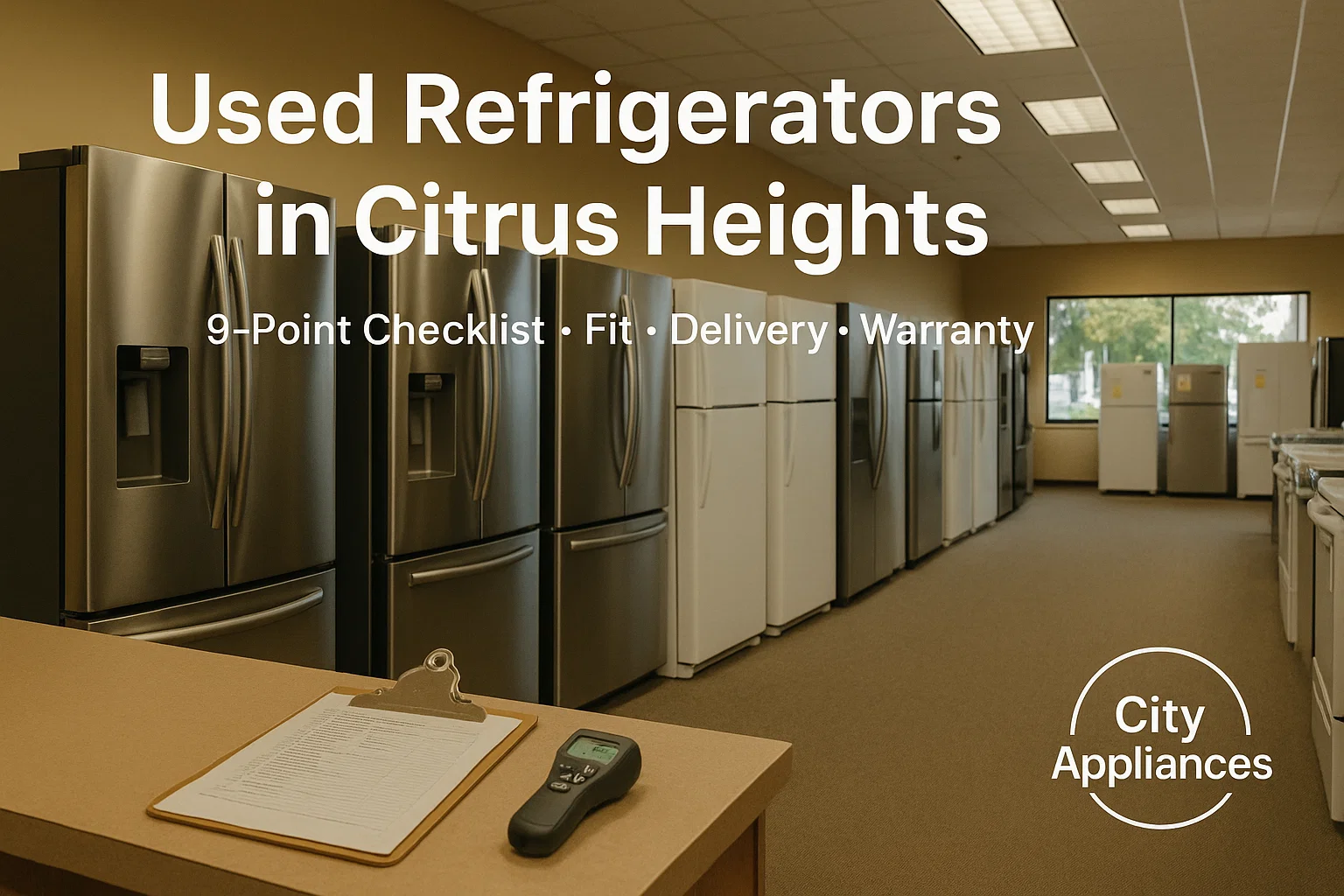
Buying a used fridge can be a smart move—if you know how to shop. This used refrigerators in Citrus Heights focused guide shows you what to measure, the exact tests our technicians run in-store, and how delivery, installation, and warranty work locally. Use it to save money, avoid lemons, and get cold groceries back where they belong.
Why buy Used Refrigerators in Citrus Heights?
Pros: You’ll typically save 40–60% versus new models, inventory is available today, and you reduce waste by extending a product’s life.
Cons (and how to neutralize them): Condition can vary—solve it with the 9-point test below and a written warranty. Fit surprises—solve with measurements. Delivery/install questions—solve with a local store offering scheduled delivery and clear policies.
Best for: families on a budget, landlords prepping rentals, ADU owners, and anyone whose fridge failed and needs a dependable replacement this week—not next month.
What should I check before I visit the store? (Fit & measurements)
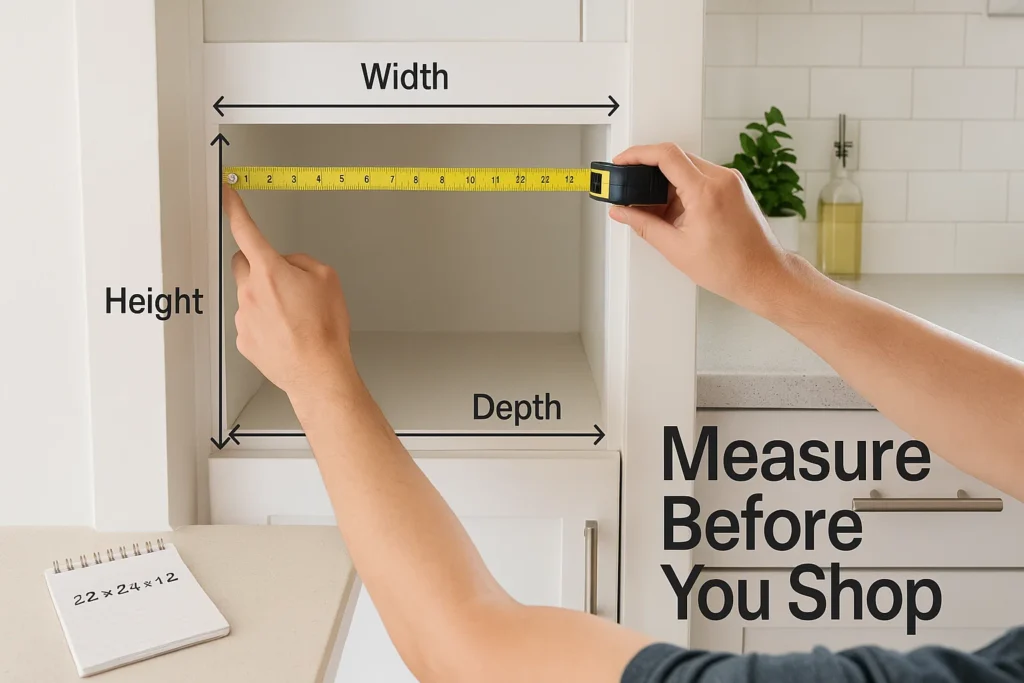
- Cabinet opening (W × H × D): Measure where the fridge will live; leave ventilation per model.
- Doorways & hallways: Note the narrowest point (and tight turns) along the path to the kitchen.
- Counter-depth vs standard-depth: Counter-depth sits flush and moves easier; standard-depth offers more capacity per dollar.
- Hinge side & door swing: If a wall/island is near, check for reversible doors or hinge options.
- Water & power: If you want ice/water, confirm a working shutoff valve and nearby grounded outlet.
Tip: Bring a couple of photos of your kitchen and any tight turns—our team can recommend the best fit and delivery plan on the spot.
What should I test in-store? (9-point technician checklist)
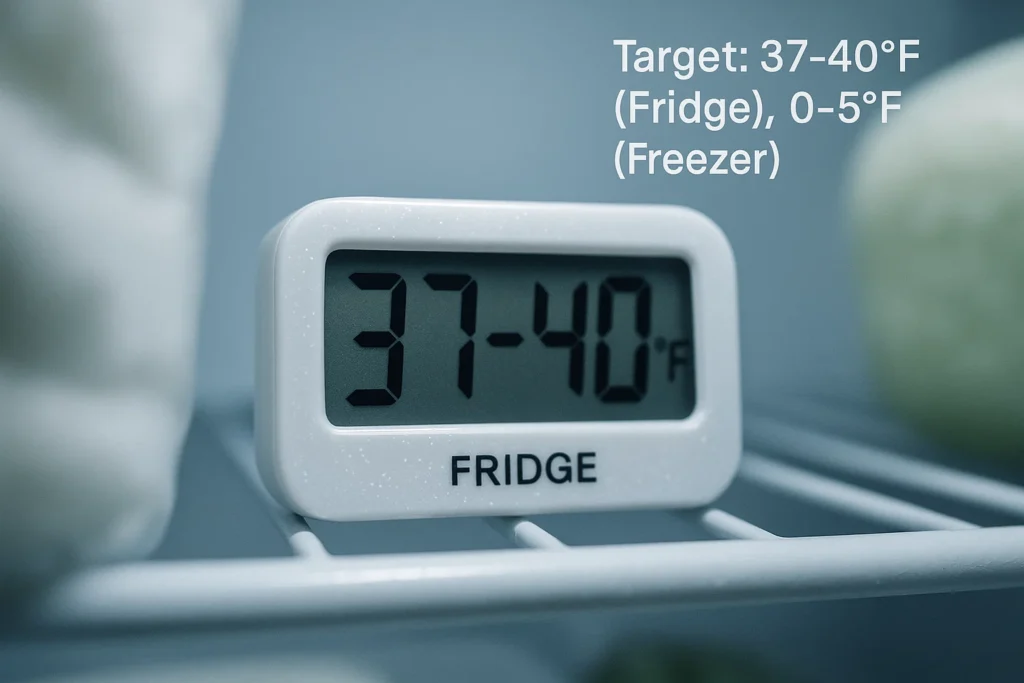
- Cooling performance: Look for ~37–40°F fridge and ~0–5°F freezer, with normal cycling.
- Door gaskets & seal: Inspect for cracks; run a paper-card around the seal—light resistance = good.
- Compressor & fan noise: Smooth hum is normal; repetitive clicking, grinding, or heavy rattling are red flags.
- Evaporator frost pattern: Even, light frost is healthy; thick slabs suggest defrost issues.
- Condenser coils: Heavy dust acts like insulation—clean coils run cooler and last longer.
- Defrost drain & pan: No pooled water, rust trails, or musty odors.
- Ice maker & water system: Check lines and valves for mineral buildup or leaks.
- Level & door alignment: Proper leveling ensures doors close and seal correctly.
- Interior condition & odor: Sturdy shelves/bins; avoid strong persistent smells.
Counter-depth vs standard: which one fits my kitchen?
Counter-depth models sit closer to cabinets for a built-in look and easier hallway navigation, but offer slightly less capacity. Standard-depth models give more storage per dollar yet protrude past counters. Choose based on cabinet depth, traffic flow with doors open, and how you use the fridge day-to-day.
Repair vs replace: how do I decide quickly?
Use a simple frame: Age × Condition × Cost. A well-maintained six- to ten-year-old unit with clean coils, tight seals, quiet operation, and stable temps can be a great buy. But if you’re facing sealed-system issues or repeated defrost failures—and parts/labor approach the price of a tested used unit with warranty—replacement often wins.
Need a technician’s opinion first? For fast diagnostics and professional service, see Fair Appliance Repair Service . They can help you weigh repair costs against replacement in real life.
Is scratch-and-dent worth it or a headache?
It’s often a smart bargain when the damage is purely cosmetic—tiny side dings or light door scuffs that don’t affect seals or structure. Use the 9-point checklist to verify cooling health, and ensure the warranty still applies. Be cautious if dents interfere with door alignment or you notice strong odors.
Store vs marketplace (Craigslist/FB): what do buyers usually miss?
| What matters | Local Store (City Appliances) | Marketplace (Craigslist/FB/OfferUp) |
| Testing | Tech-tested, explained on site | “As-is,” limited proof |
| Warranty/returns | Written coverage | Usually none |
| Delivery/install | Scheduled, insured, clear stair rules | DIY truck/time/tools |
| Haul-away | Often available | Arrange yourself |
| Total cost | Transparent and predictable | Low sticker, higher hidden costs/risks |
| Time & hassle | Low (one stop) | High (search, messages, moving) |
Bottom line: If you value speed, support, and predictability, a store unit with warranty is usually the better total value.
How does delivery and installation work locally?
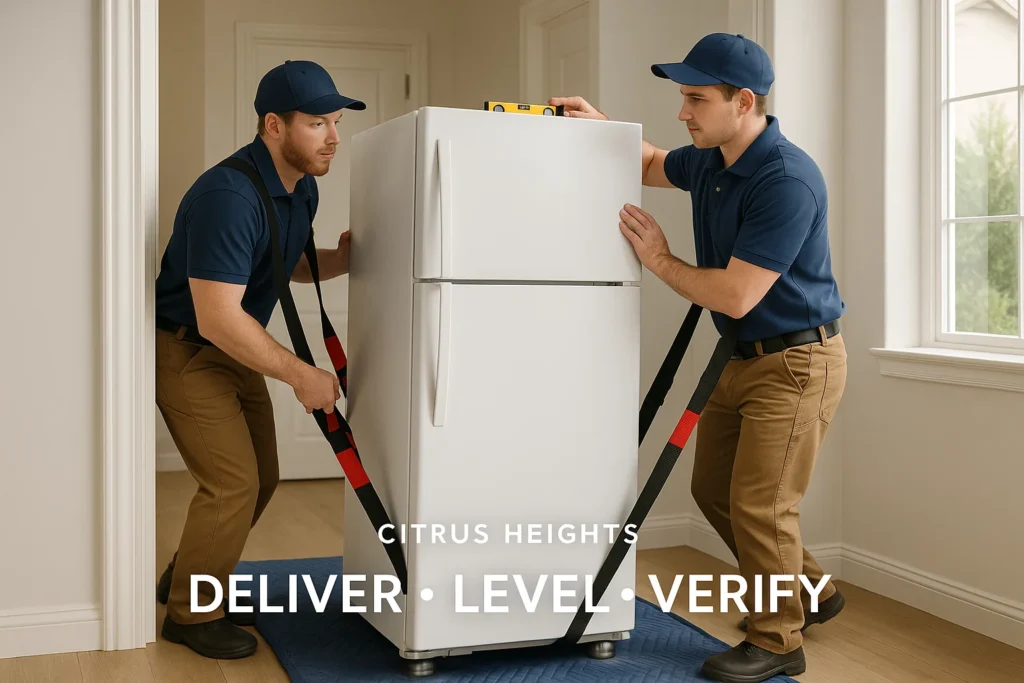
- Scheduling: Same- or next-day when possible; confirm your window.
- Access: Clear paths; protect floors; measure tight turns in advance.
- Hookups: Water line (if applicable), correct outlet, and leveling for a proper seal.
- Old unit: Ask about haul-away options and fees up front.
- Post-install check: Re-verify temperatures and door seal after placement.
What warranty and return policy should I expect?
Get written terms: duration, parts/labor coverage, response time, and the service process. Keep your receipt and record the unit’s serial for quick support. Many first-week “issues” are simple—leveling tweaks, gasket seating, or ensuring proper clearance for airflow—so call us before assuming the worst.
Frequently Asked Questions
Q1: Where’s the best place to buy a used refrigerator near me?
If you want testing, quick delivery, and a warranty, a local appliance store is the safest value. Marketplace works if you accept “as-is” risk and handle transport/install yourself.
Q2: How old is too old for a used fridge?
Condition > age. Stable temps, quiet operation, clean coils, and good seals are better predictors of reliability than an exact year count.
Q3: Can you deliver, install, and haul away my old unit?
Delivery is available on most purchases; installation and haul-away can often be arranged. Tell us about stairs or long carries so the team brings the right equipment.
Q4: Can I reserve an item I saw online?
Yes—call us and we’ll hold a unit briefly while you finalize pickup or delivery.