



Cooktop Comparison: Gas vs Electric vs Induction Cooktop – Which One is Best for Your Home?

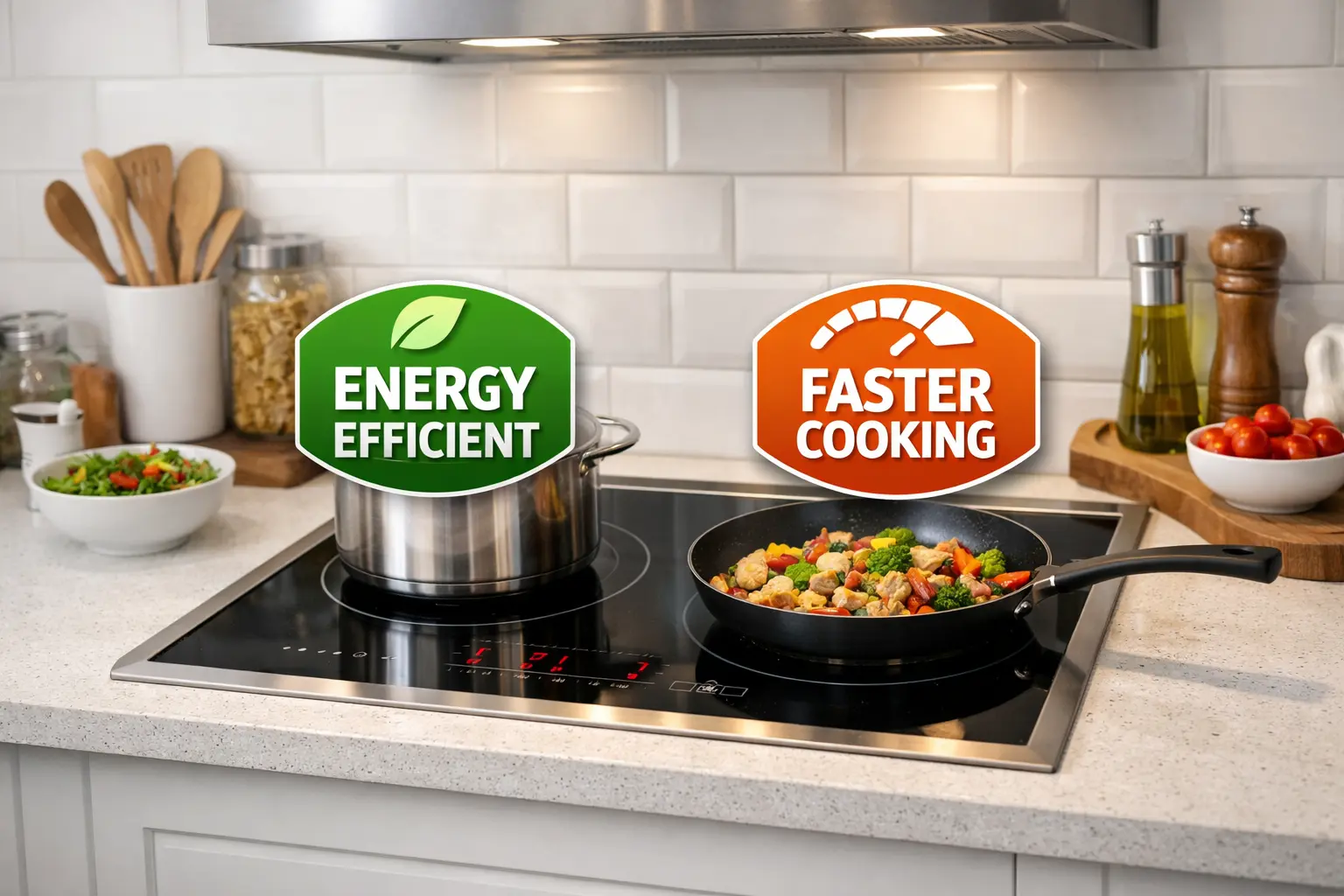
Upgrading your kitchen with a new cooktop is an exciting home improvement, but choosing the right one can be tricky. In Citrus Heights, families are faced with three major options: Gas, Electric, and Induction cooktops. Each offers unique benefits, but which one is best suited for your family’s cooking style, budget, and energy goals?
In this comprehensive gas vs electric vs induction cooktop guide, we’ll compare all three cooktops types so you can make a confident decision. We cover speed, price, running costs, lifespan, safety, and more, and show you where to find affordable options.
What Are Gas, Electric, and Induction Cooktops?
Let’s take a quick look at each cooktop type:
Gas Cooktops:
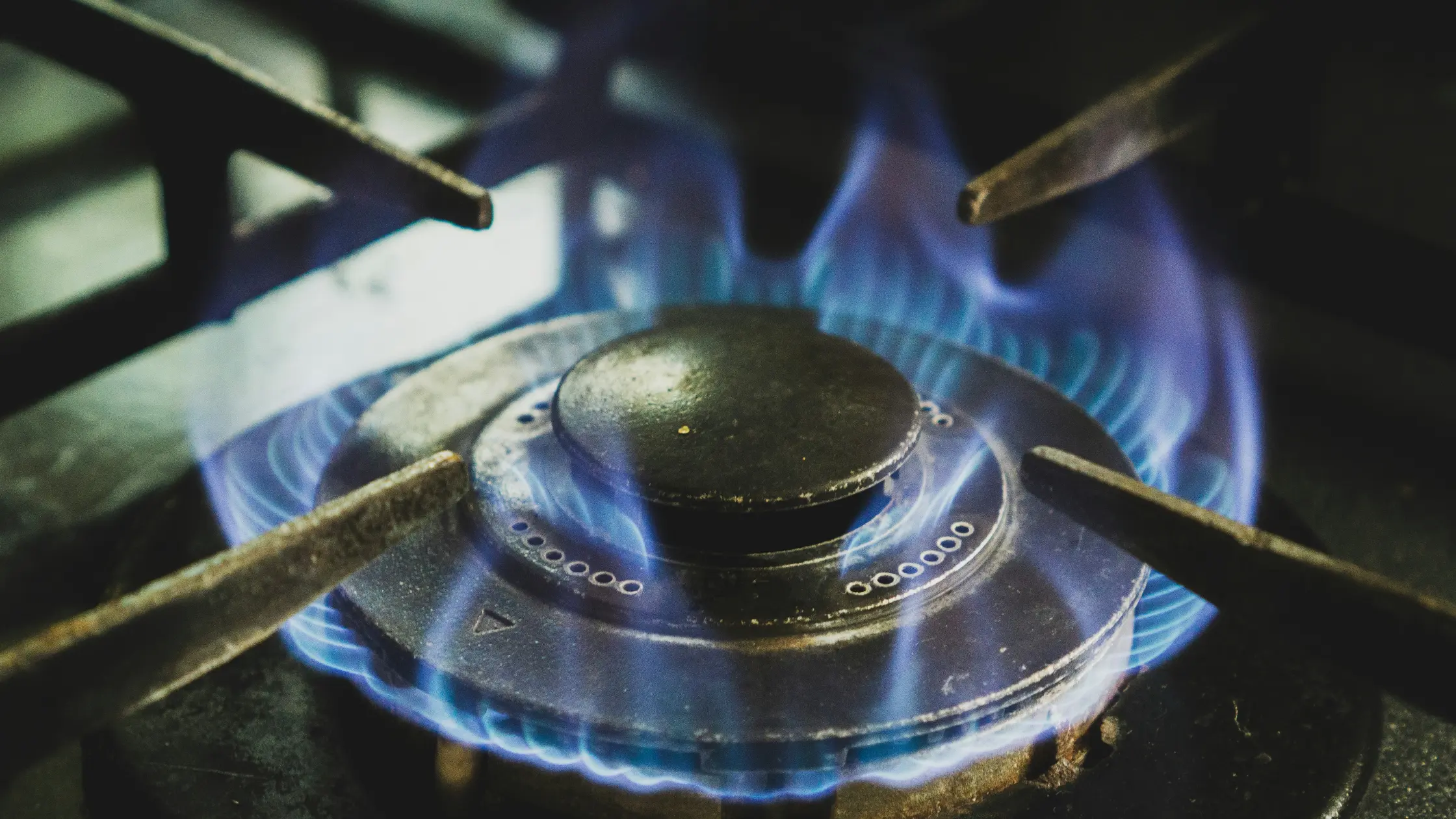
Gas cooktops are a traditional choice for many families. They use natural gas to generate heat. Known for their instant heat and precise temperature control, gas cooktops are popular for their versatility and quick cooking times.
Electric Cooktops:
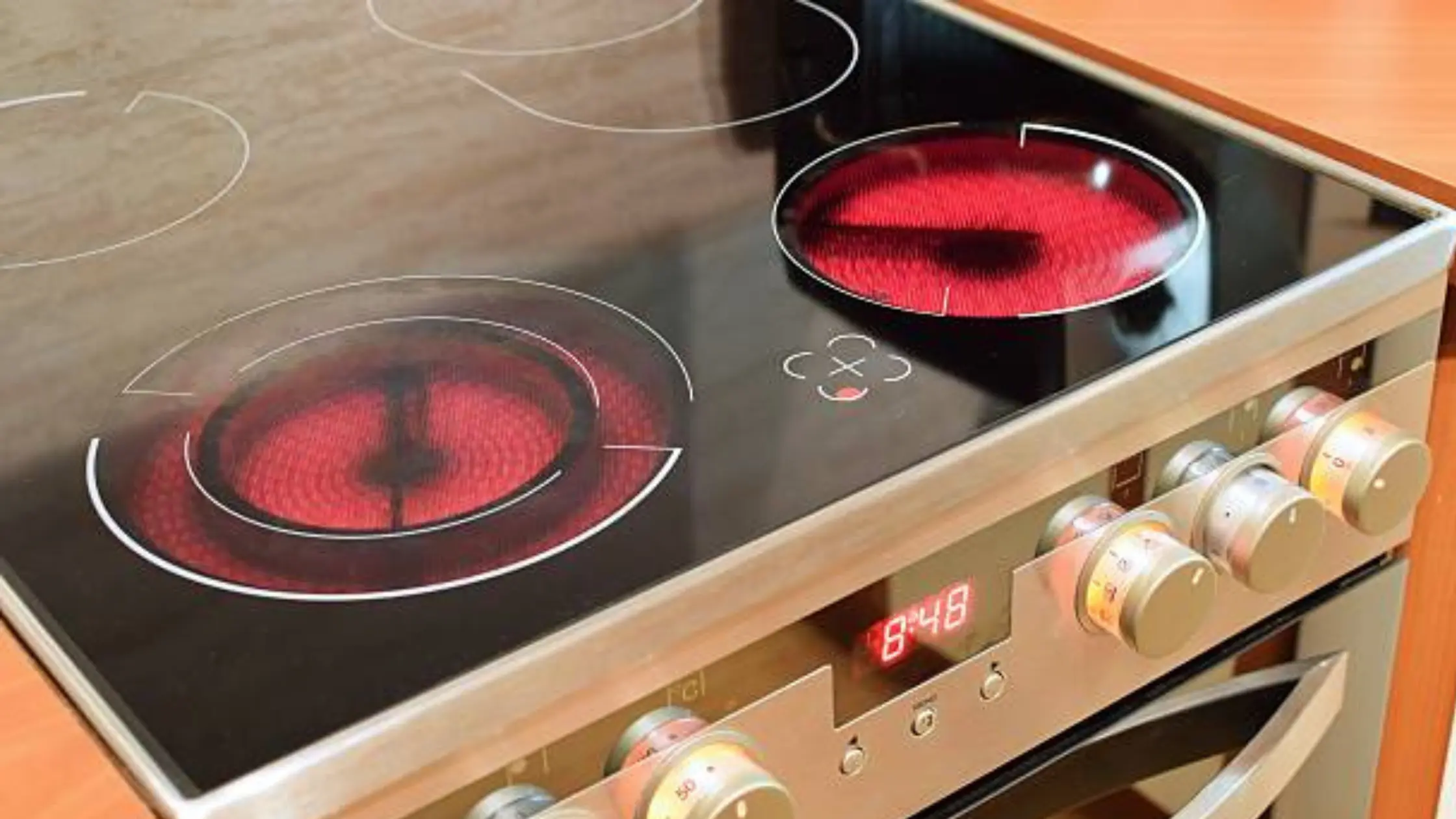
Electric cooktops are powered by electricity and can either feature coiled elements or smooth ceramic surfaces. These cooktops provide even heat distribution, making them ideal for recipes that require steady temperatures.
Induction Cooktops:
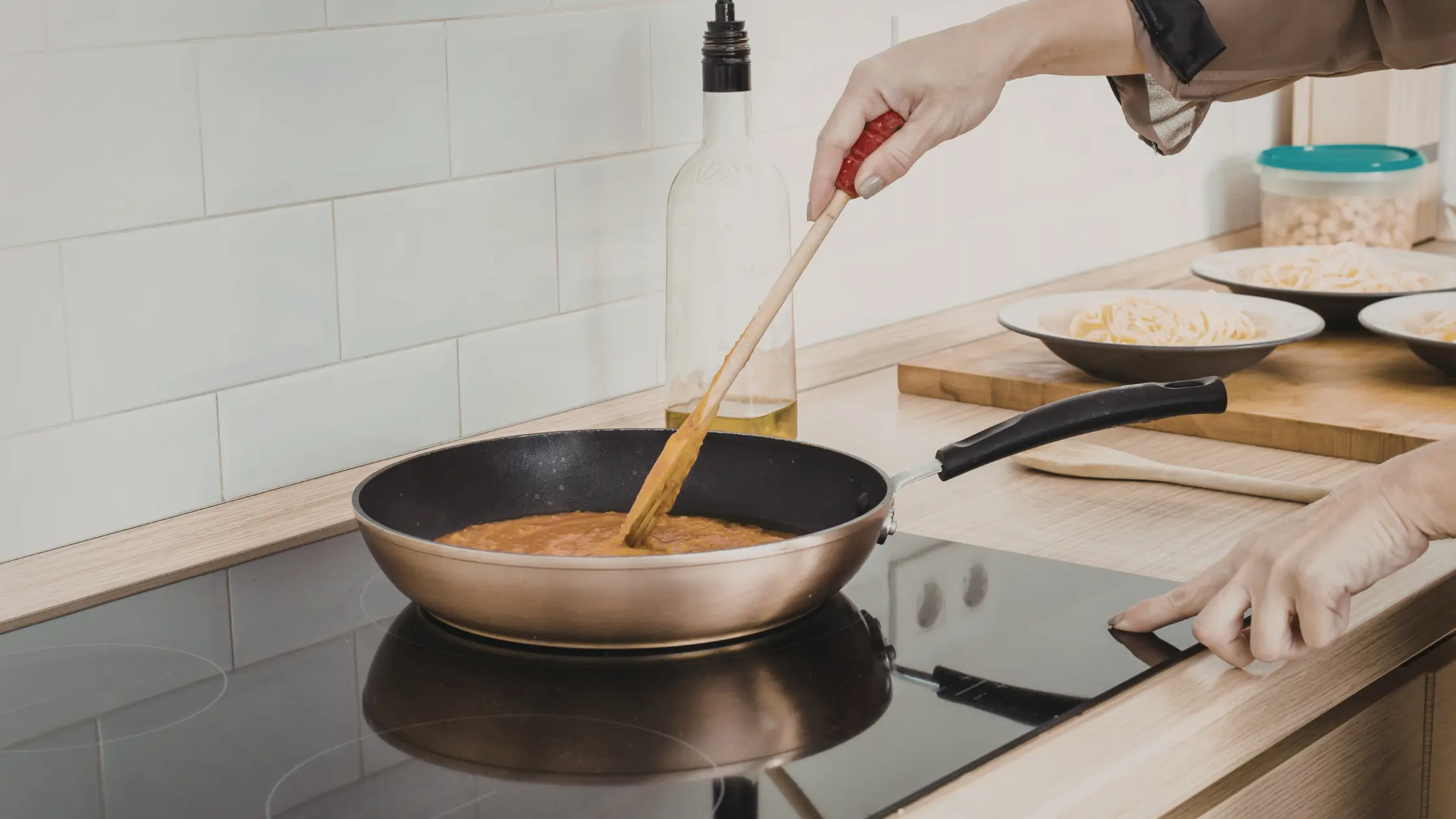
Induction cooktops use electromagnetic fields to directly heat your cookware. Known for their energy efficiency and quick cooking times, they are increasingly becoming popular among eco-conscious local families.
Choosing the Best Cooktop for Your Family
Gas Cooktops: A Time-Honored Tradition
Families who enjoy high-heat cooking like stir-frying, searing, or boiling will appreciate the instant heat gas cooktops offer.
What do chefs prefer? If you ask most professional chefs, gas is still their top choice. You can see the flame, feel the heat, and adjust it instantly. Gas also lets you char peppers or tortillas directly on the flame, something you cannot do on an electric or induction surface. That level of control makes a real difference in the final dish.
Who should choose gas:
- Families who cook often and prefer instant heat and precise control.
- Those who regularly cook with high heat or enjoy grilling directly on the flame.
Electric Cooktops: Simple, Reliable, and Budget-Friendly
Who should choose electric:
- Families who need a simple and affordable cooking option.
- Homeowners without a gas line who want easy installation.
Induction Cooktops: The Modern, Safe, and Energy-Efficient Option
Induction has been winning over more home cooks and even some restaurant kitchens in recent years.
Who should choose induction:
- Families who want energy-efficient cooking and fast heating.
- Homes where safety is a priority, as the induction surface stays cool to the touch.
Speed matters in a busy kitchen. Here is how long each type takes to boil 60 ounces of watt
-
For families who cook dinner after a long day, those extra minutes add up fast. Induction cuts boiling time almost in half compared to electric. That means pasta is ready sooner and there are fewer rushed evenings in the kitchen.Cooktop Type
Time to Boil 60 oz of Water
Why
Induction
About 5 minutes
Heat goes directly into your pot; almost no energy is wasted.
Gas
About 8 minutes
Instant flame, but some heat escapes around the sides of the pot.
Electric
About 9.5 minutes
The surface must heat up before warming the pot.
Does Your Cookware Work with Induction?
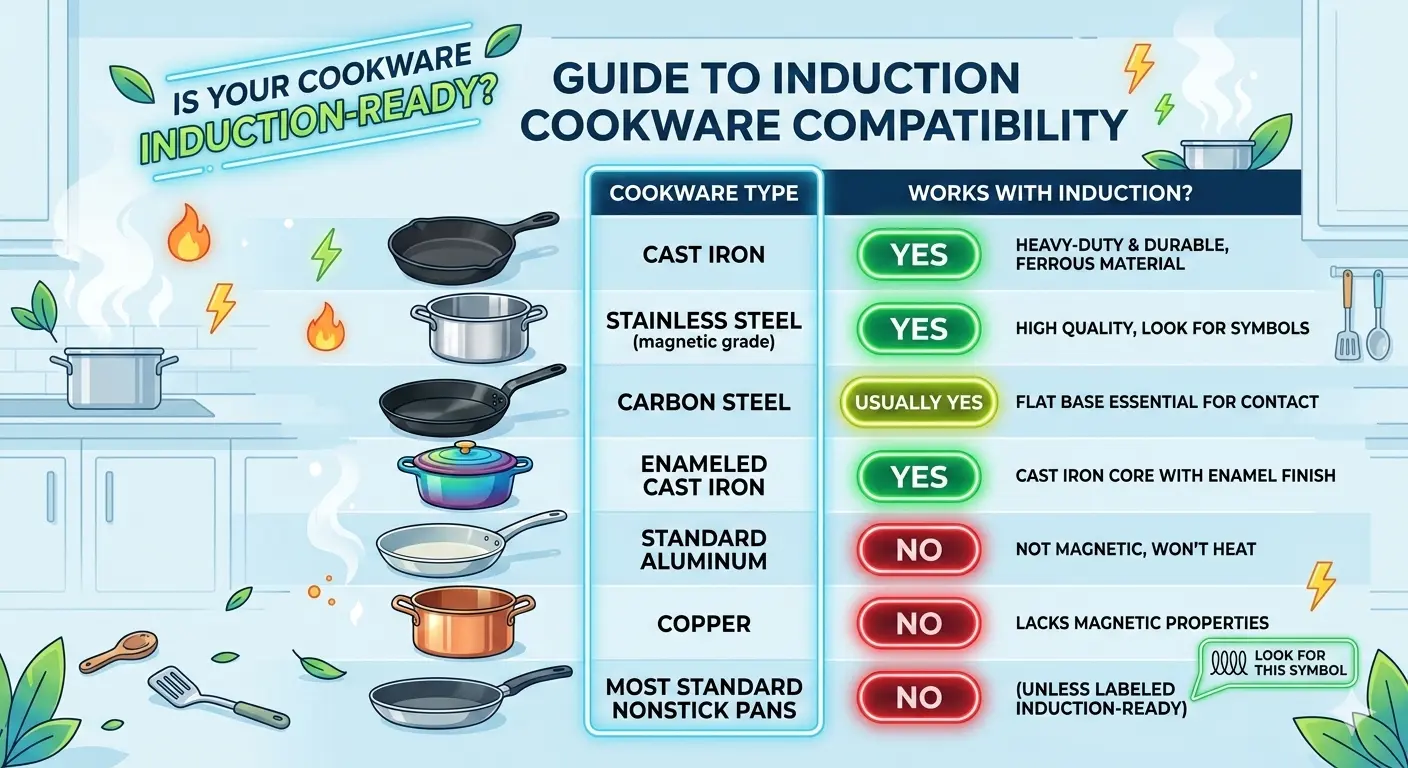
Induction cooktops only work with magnetic cookware. This means the bottom of your pot or pan must contain iron or steel to create the electromagnetic field that generates heat.
Here is a quick guide:
|
Cookware Type |
Works with Induction? |
|
Cast iron |
Yes |
|
Stainless steel (magnetic grade) |
Yes |
|
Carbon steel |
Usually yes (flat base needed) |
|
Enameled cast iron |
Yes |
|
Standard aluminum |
No |
|
Copper |
No |
|
Most standard nonstick pans |
No (unless labeled induction-ready) |
A simple test: Hold a fridge magnet to the bottom of your pot. If it sticks, the cookware works with induction.
If you are switching to induction and need new cookware, factor that into your budget. A good induction-ready pot and pan set can start from around $60. It is still a worthwhile investment for most families.
Gas and electric cooktops work with virtually any cookware, so there is no compatibility concern to worry about.
What Does Each Cooktop Actually Cost?
Shopping on a budget? Here is a look at starting prices for popular brands. Keep in mind that City Appliance often carries certified scratch-and-dent or open-box versions of these brands at significantly lower prices.
|
Brand |
Electric Range |
Gas Range |
Induction Range |
|
Frigidaire |
~$628 |
~$698 |
~$898 |
|
GE |
~$629 |
~$629 |
~$1,619 |
|
Whirlpool |
~$629 |
~$658 |
~$1,499 |
Want a premium brand without the premium price? We carry top brands like GE, LG, and Whirlpool. The dents are cosmetic, but the performance is 100%. Call us at 916-501-6182 to see our current Citrus Heights inventory.
Which Cooktop Costs Less to Run Each Month?
How much a cooktop costs to run depends on your local electricity and gas rates. As a general guide, here is how they compare:
|
Cooktop Type |
Estimated Cost Per Hour |
Key Factor |
|
Gas |
Lowest |
Natural gas is typically cheaper than electricity in California |
|
Induction |
Middle |
Uses electricity efficiently, so you pay for less waste |
|
Electric |
Highest |
Loses heat to the air around the pot, costing more for the same result |
The bottom line: If you’re restricted to electric outlets, induction is the superior investment. You’ll save hours of cooking time every month and see lower numbers on your utility bill compared to traditional radiant electric.
How Long Will Your Cooktop Last?
|
Cooktop Type |
Average Lifespan |
Main Reason for Shorter Life |
|
Gas |
Up to 15 years |
Simple mechanical parts mean fewer electronic failures. |
|
Electric |
Around 13 years |
Electronic controls can fail more often than manual valves. |
|
Induction |
Around 13 years |
Relies on computerized systems that can malfunction over time. |
Gas Stoves and Indoor Air Quality
Gas stoves use an open flame, which can release pollutants into your kitchen. The main concern is nitrogen dioxide (NO2), a chemical that can irritate the lungs and increase the risk of respiratory problems. Gas stoves can also release small amounts of carbon monoxide and methane during use.
Health experts note that children are especially sensitive to these pollutants because they breathe more air relative to their body weight compared to adults. Studies have linked gas stoves to a higher rate of childhood asthma.
Electric and induction cooktops do not produce NO2, carbon monoxide, or methane. However, the process of cooking itself can produce some particles in the air no matter what type of stove you have. Good ventilation helps with every type.
Simple Steps If You Have a Gas Stove
If you already have a gas cooktop, there is no need to panic. These steps can reduce your family’s exposure:
- Turn on your exhaust fan before you start cooking and leave it on for about 15 minutes after you finish
- Open a window or door if your exhaust fan does not vent outside
- Never use a gas stove as a space heater
- Never use outdoor grills or burners inside the home
Who Should Consider Switching to Induction?
If anyone in your home has asthma, allergies, or other respiratory issues, switching to induction is worth considering. The surface stays cool, there is no open flame, and there are no combustion gases released during cooking.
Why Choose City Appliances in Citrus Heights?

Real-Life Savings: The Family Who Saved Over $1,000
At City Appliance, we offer a wide range of gas, electric, and induction cooktops that cater to the diverse needs of Citrus Heights families. Our same-day delivery and professional installation services ensure that your new cooktop is up and running without delay.
Here’s a real-life example:
- Retail price of a gas ENERGY STAR Cooktop: $1,899
- Scratch & Dent price at City Appliance: $749
- Cosmetic flaw: Small dent on the back corner
- Functionality: 100% intact
The family saved $1,150, which they used to:
- Buy a matching oven
- Upgrade their kitchen lighting
- Add a water filter system
Upgrade Your Kitchen Smartly with City Appliances
Whether you choose gas, electric, or induction, upgrading your cooktop doesn’t have to break the bank. City Appliance offers top-quality cooktops at affordable prices, ensuring your kitchen is both modern and energy-efficient.
Visit us at 8038 Greenback Ln, or call us at +1 916-501-6182 to find out more.
Frequently Asked Questions
Q1: Can I still use my gas cooktop during a Citrus Heights power outage?
Yes, in most cases. You can manually light the surface burners with a match. However, the oven and the digital clock/timer will not work. Induction and electric cooktops are completely unusable during an outage.
Q2: Do induction cooktops make noise while cooking?
You may hear a slight “hum” or “buzz,” especially at high power settings. This is often the magnetic coils vibrating or the cooling fan running. Using heavier, high-quality magnetic cookware usually makes the operation quieter.
Q3: Are induction cooktops safe for people with pacemakers?
Because induction uses electromagnetic fields, the American Heart Association suggests keeping a distance of at least 2 feet between a pacemaker and an active induction cooktop. If you have a pacemaker, consult your doctor before making the switch.
Q4: Will an induction cooktop scratch easily?
The glass surface is very durable, but it can scratch if you slide heavy cast iron pans across it. To prevent this, many homeowners place a thin silicone mat or even a piece of parchment paper between the pan and the glass while cooking—something you can only do on induction because the surface doesn’t get hot!
Q5: Does switching from electric to gas increase my home’s resale value?
Generally, yes. Many buyers in the Sacramento area prefer gas for cooking. However, the trend is shifting toward “all-electric” homes. High-end induction cooktops are now considered a “luxury” feature that can be just as attractive to modern buyers as a gas range.