



PG&E’s New Electric Bill Structure Starts March 2026: What Citrus Heights Homeowners Need to Know (And How to Save More)


Your PG&E bill looks different starting this month. The good news? It is not a rate hike. In fact, it is a change that can put more money back in your pocket, especially if you upgrade to energy-efficient appliances at home. Starting March 2026, PG&E has restructured the way your electric bill is calculated. This is called the Base Services Charge. Understanding this PG&E bill changes 2026 guide helps you make smarter decisions about your home appliances and your monthly budget.
What Is the Base Services Charge and PG&E Bill Changes 2026?
Before March 2026, the cost of maintaining the electrical grid, paying for billing systems, and funding energy programs were all quietly mixed into your per-kWh electricity rate. That meant every unit of power you used carried a hidden share of those infrastructure costs. Now, PG&E separates those costs into a flat monthly charge called the Base Services Charge. The result is a lower price per kilowatt-hour (kWh) of electricity for every customer.
Think of it this way: instead of paying extra for every light you turn on, you now pay a small flat fee each month for being connected to the grid. Then you pay a lower rate for the actual electricity you use. Less per kWh means more savings every time your appliances run. |
How Much Is the Base Services Charge?
Customer Type | Monthly Base Services Charge |
Most PG&E customers | ~$24 per month |
CARE program customers | ~$6 per month |
FERA / Affordable Housing customers | ~$12 per month |
PG&E has also reduced electricity prices four times over the past two years. As of early 2026, residential electric prices are 11% lower than they were in January 2024. An average household using 500 kWh per month is saving around $20 less on their bill each month because of lower per-kWh rates.
What Does This Mean for Your PG&E Bill?
Here is the simple version: you now pay a predictable flat charge each month, and you pay less per kWh of electricity you actually use. If your household uses a lot of electricity, the lower per-kWh rate saves you more money. If you use less, the savings from your usage still add up over time. The key takeaway for Citrus Heights homeowners is this: every kilowatt-hour you save now costs less anyway, but every kWh your old appliances waste is money you are still spending. This is exactly why upgrading to ENERGY STAR appliances right now makes more financial sense than ever.
Why This Is the Best Time to Upgrade Your Appliances in Citrus Heights
When per-kWh electricity rates go down, energy-efficient appliances save you even more money compared to older, inefficient models. Here is how:
- Old appliances use 30 to 50% more electricity than new ENERGY STAR models.
- Lower per-kWh rates amplify those savings because you are paying less for every kWh you do use.
- Upgrading now means you benefit from both the lower rates AND lower energy consumption.
In short, the PG&E restructured bill acts like a multiplier on the savings you already get from energy-efficient appliances.
Real Savings: What ENERGY STAR Appliances Save You at Lower PG&E Rates
Here is an estimate of yearly energy cost savings from upgrading to ENERGY STAR appliances, based on the new lower PG&E per-kWh rates:
Appliance | Old Yearly Cost | New ENERGY STAR Cost | kWh Savings | Bill Savings / Year |
Older Refrigerator | $180 | $110 | 40% | ~$70 |
Old Washing Machine | $120 | $75 | 35% | ~$45 |
Old Dryer | $130 | $85 | 30% | ~$45 |
Old Dishwasher | $90 | $55 | 30% | ~$35 |
Note: Savings estimates are based on average usage and the current lower PG&E residential rates. Actual savings may vary based on your household usage.
Which Appliances Should Citrus Heights Families Upgrade First?
Not all appliances use the same amount of electricity. Here are the best upgrades to make the most of the new lower PG&E rates in 2026:
Refrigerator
Your fridge runs 24 hours a day, seven days a week. An older refrigerator is often the single biggest reason for a high electricity bill. Upgrading to an ENERGY STAR refrigerator can cut your fridge’s electricity use by 35 to 40%. At the new lower PG&E per-kWh rate, that adds up fast.
Washing Machine
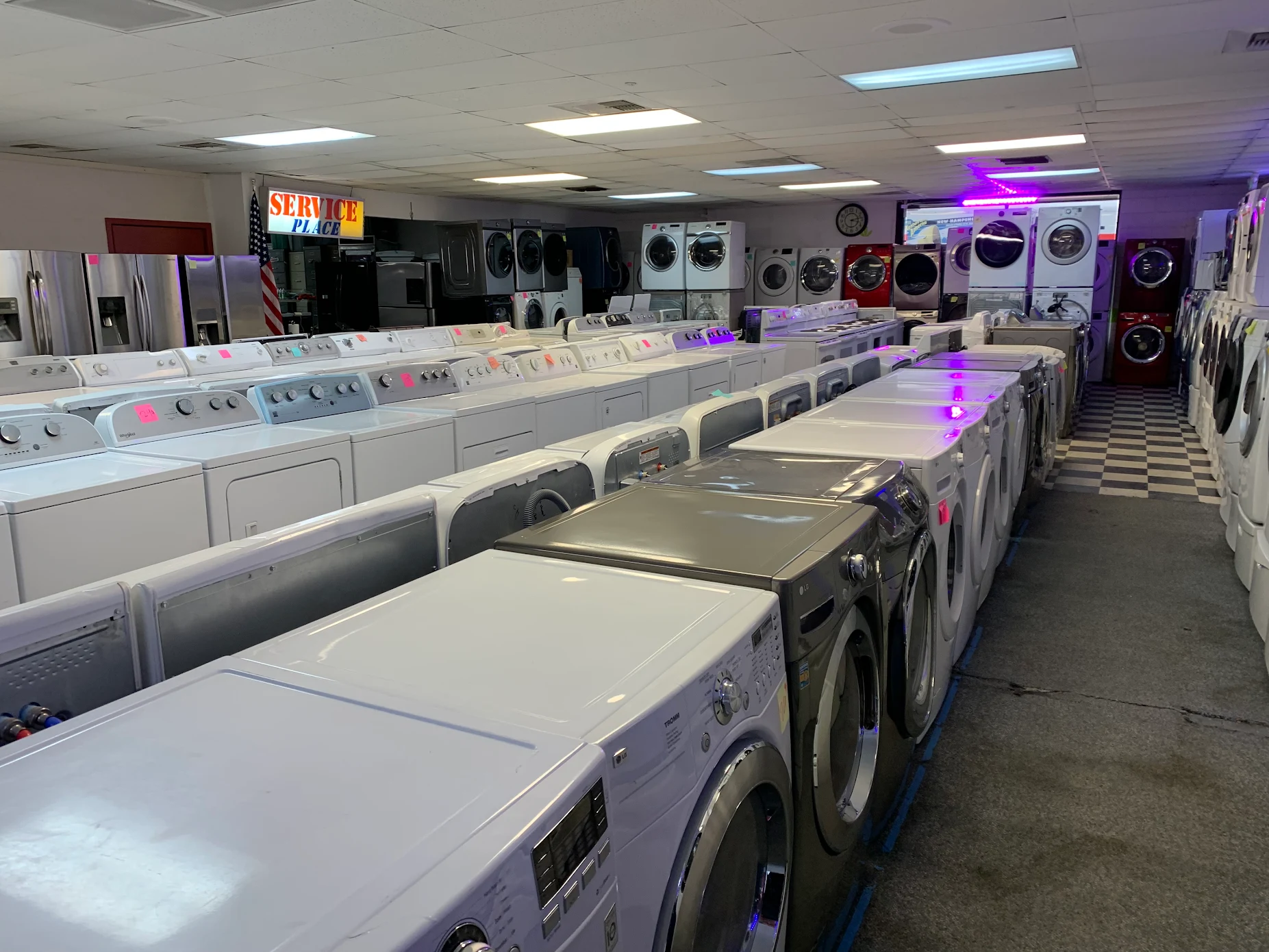
Older top-load washing machines use a lot of hot water and electricity per cycle. A new high-efficiency front-load or top-load washer can use up to 35% less electricity and 40% less water per load. Lower energy use plus lower per-kWh rates means real savings on every wash. Check out our washing machine collection.
Dryer
Dryers are one of the heaviest electricity users in any home. Upgrading to an ENERGY STAR certified dryer with a moisture sensor stops it from running longer than needed and can cut energy use by around 30%.
Dishwasher
A new ENERGY STAR dishwasher uses less hot water and less electricity per cycle than models from 10 or more years ago. The savings are smaller per cycle but add up over hundreds of loads per year.
New vs. Scratch and Dent: Which Is the Smarter Buy Right Now?
City Appliances has both brand-new ENERGY STAR appliances and professionally inspected scratch-and-dent models from top brands including GE, LG, Whirlpool, Frigidaire, and Samsung. Both types are ENERGY STAR certified and will help you save more under the new PG&E rate structure.
- New appliances: Full manufacturer warranty, latest features, perfect cosmetic condition.
- Scratch and dent: Save 30 to 60% upfront on the purchase price, same energy-efficient performance, minor cosmetic imperfections only, warranty still included.
If your goal is to maximize total savings, combining the lower purchase price of a scratch-and-dent model with the ongoing energy savings from lower PG&E rates gives you the best of both worlds.
Example: A scratch-and-dent ENERGY STAR refrigerator at City Appliances might cost $400 to $500 less than the same model brand new. Add $70 in annual electricity savings, and you are ahead by $470 to $570 in just one year. |
Does the Lower Per-kWh Rate Help If You Switch to Electric Appliances?
Yes, and this is one of the most important long-term opportunities in the new PG&E structure. Switching from a gas range or gas dryer to an electric or induction version now costs less to run than it did before. PG&E’s stated goal with the Base Services Charge is to encourage clean energy adoption by making electricity more affordable per kWh. Induction is not just about the lower kWh rate, but also about keeping the kitchen cooler during Sacramento summers which saves on AC costs.
If you are thinking about switching to an induction cooktop or an electric range, this is a great time to make the move. City Appliances has induction cooktops and electric ranges from brands like GE and LG, and our team can walk you through what fits your kitchen and budget.
City Appliances Is Your Local Resource for Energy-Smart Upgrades
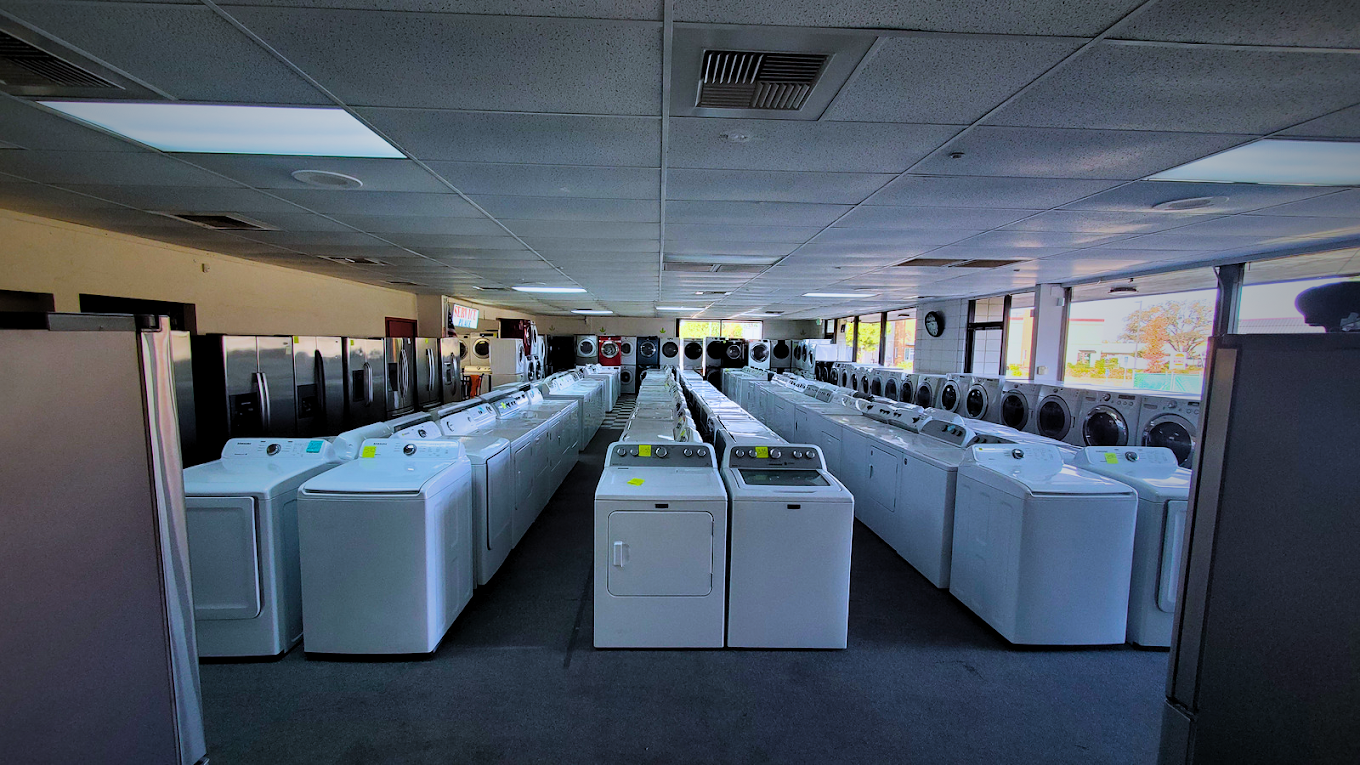
We are a local, family-owned appliance store right here in Citrus Heights. We know the Sacramento area, we know PG&E’s billing changes, and we carry the appliances that help you get ahead of rising energy costs rather than getting surprised by them.
- Free same-day delivery to Citrus Heights (order by 2 PM).
- Professional installation included.
- Old appliance haul-away available.
- Financing up to $5,000 available for qualified buyers.
- Brands: GE, LG, Whirlpool, Frigidaire, Samsung.
- New, scratch-and-dent, and open-box inventory in stock.
Visit us at 8038 Greenback Ln, Citrus Heights, or call us at 916-501-6182. Our team is happy to help you pick the right appliance for your home and your budget. No pushy sales, just honest advice. |
Frequently Asked Questions
Q1: Will my PG&E bill automatically go down after March 2026?
Not necessarily for every customer. The new structure adds a flat Base Services Charge (around $24 per month for most customers) but lowers your per-kWh rate. If you use a lot of electricity, the lower rate should outweigh the flat fee. If you use very little electricity, you might see your bill stay similar or slightly different. The key is to reduce your overall energy usage with efficient appliances to maximize your savings under the new structure.
Q2: I already have ENERGY STAR appliances. Does the new bill structure still help me?
Yes. If your appliances are already energy-efficient, your per-kWh savings from the lower rate will apply to your already-reduced energy consumption. You are in a good position. If your ENERGY STAR appliances are 8 to 10 years old, newer models are still significantly more efficient and worth considering.
Q3: What is the CARE program and does it affect the Base Services Charge?
The California Alternative Rates for Energy (CARE) program is a discount program for households that meet certain income guidelines. CARE customers pay a reduced Base Services Charge of around $6 per month instead of $24. They also continue receiving their existing CARE discounts on per-kWh rates. If you think you might qualify, check PG&E’s website or call them to apply.
Q4: Is now a good time to switch from gas to electric appliances?
With lower per-kWh electricity rates, the operating cost of running electric appliances has dropped. If you have been considering an induction cooktop or an electric dryer, the ongoing cost to run them is lower now than it was a year ago. City Appliances carries a range of electric options and can help you compare costs.
Q5: Does City Appliances offer financing?
Yes. We offer financing up to $5,000 for qualified buyers. This makes it easy to upgrade to energy-efficient appliances now and start saving on your PG&E bill right away, even if the full purchase price is not in your budget today.